Shape the future of lung health – Postdoc Opportunity on Pulmonary Lymphatic Dysfunction
Lymphatic vessels are the unsung heroes of lung health—maintaining fluid balance and orchestrating immune responses. When they fail, the consequences ripple through chronic pulmonary diseases like pulmonary fibrosis (PF) and chronic obstructive pulmonary disease (COPD). We know they matter. What we don’t know is how and why. That’s where you come in.
The current scientific discussion evolves around the following topics:
- Spatial and Temporal Remodeling: How do microvascular lymphatic networks adapt during disease initiation, progression, damage resolution and what governs the timing and localization of these changes?
- Cellular Crosstalk: Which molecular mediators or physiological cues from the lymphatic microvasculature influence immune and structural cell behavior? (focus on epithelial, myeloid and stromal interactions)
- Immune and Fluid Balance: How do lymphatics fine-tune the equilibrium between immune tolerance and inflammation? How the optimal interstitial fluids? How the resolution of inflammation and edema?
- Phenotypic Signatures: What signals distinguish protective lymphatic adaptations from pathological ones? Do we understand lymphatic endotypes in lung diseases?
- Causality: Are lymphatic abnormalities drivers of disease or early bystander adaptations to a disturbed lung microenvironment?
- Disease Modeling and Biomarkers: Can we develop relevant complex in vitro models to study lymphatic dysfunction, and generate biomarkers to detect and quantify dysfunctional traits in lymphatic microvasculature?
Focus Area
Focus should be placed on lymphatic microvascular dysfunction in PF and COPD endotypes, aiming to uncover mechanistic insights and translational opportunities.
Special emphasis is on the alveolar region of the lung as the unit driving gas-exchange and thus lung function in patients. The proposal will need to include complex human in vitro model development to study the mechanisms proposed. As we do have access to fresh human lung tissue material, this proposal should propose isolation or generation strategies for the cells needed in case those aren’t commercially available.
The proposed human-derived model should enable the analysis of cellular crosstalk of lymphatic cells with epithelial, myeloid, and/or stromal cells, among others in PF and COPD endotypes. As such, it should support the identification of relevant phenotypic signatures, disease mechanisms, and biomarkers.
In addition, the project proposal should address at least one of the following scientific aspects with special emphasis on the gas-exchange unit:
- Differences in lymphatic versus respiratory microvascular endothelial cell biology
- Spatial and temporal regulation of lymphatic microvasculature
- Functions in human health and disease (PF versus COPD)
- Causality of lymphatic defects for pathogenesis (PF versus COPD)
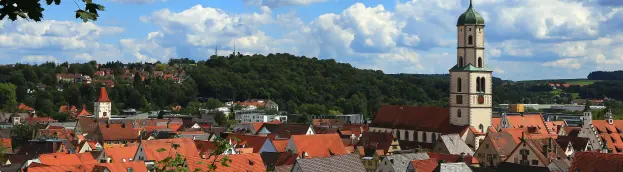
As a winner of this call, you will have the unique opportunity to pursue your own submitted research project as a fully resourced PostDoc project in the Immunology and Respiratory team at Boehringer Ingelheim at the Discovery Research site in Biberach/Riss, Germany. You will obtain a position for up to 3 years* with Boehringer Ingelheim within a cross-functional, international team of world-class scientists working on retinal diseases. The grant would also allow you to carry out parts of your planned experiments at your current home institution. [*The offered position initially covers a duration of 24 months with an option for extension by another 12 months.]
At Boehringer Ingelheim, you will have access to a fully equipped laboratory in a state-of-the-art research facility including access to all relevant tools and materials (e.g., human lung tissue, primary cell bank, organoid and MPS formats, small molecules, antibodies etc.) and technologies. Benefit from mentoring through our internal experts, have the chance to attend international conferences, and to publish your results in high-ranking journals. You will be part of the vibrant PostDoc community at Boehringer Ingelheim in Biberach with manifold opportunities for scientific, cross-functional exchanges for your personal development. You will have the opportunity to learn the process and challenges of drug discovery from the inside, including additional training and mentoring program.
In addition, benefit from the rich packages for employee benefit. Our most important asset in achieving our global vision is our people. We prioritize your growth, investing in our people through mentoring, coaching, skill-building, leadership development, and academic support. Our infrastructure promotes wellness with sports groups, health counseling, onsite medical services, and regular check-ups. Achieve work-life balance with flexible work hours, remote working, childcare support, counseling, and convenient amenities. We ensure financial health with employer loans, private insurances, access to discounts, and a company pension scheme. Benefit also from our excellent and healthy on-site catering and the opportunity to take away meals. We offer relocation support and interim accommodation to make joining us easy.
Please use our PostDoc grant application template to provide a 4–5-page non-confidential proposal (available for download here). Please complement with your CV, publication list, and recommendation letters.
If confidential data exists that would strengthen the proposal, please indicate that information is available to share under a Confidential Disclosure Agreement (CDA). If we find the non-confidential concept proposal sufficiently interesting, we will execute a CDA for confidential discussions.
All incoming applications accompanied by a research plan will be evaluated by a scientific jury, and, upon selection, you as the winner will have the opportunity to pursue your research project as defined by yourself as part of your PostDoc studies at Boehringer Ingelheim. An attractive package including salary, expenses, and additional company benefits will apply.
We can only accept research proposals if they arrive by the submission deadline on March 10, 2026, 11.59 pm PST.